Sourcing option
Podcast speech for recognition research
Scope long-form conversational audio and transcript requirements.
Long-form speech · Natural conversation
Long-form dialogue offers more than spoken words: context, questions, interruptions, and changing turns. Define the conversations you need, then explore the right source material.
A direct line to Fiund. Source fit and permissions reviewed for your project.
Specify the outcome your model needs.
Keep file meaning and lineage connected.
Agree on evidence and acceptance criteria.
Speak with Jaeden at Fiund.
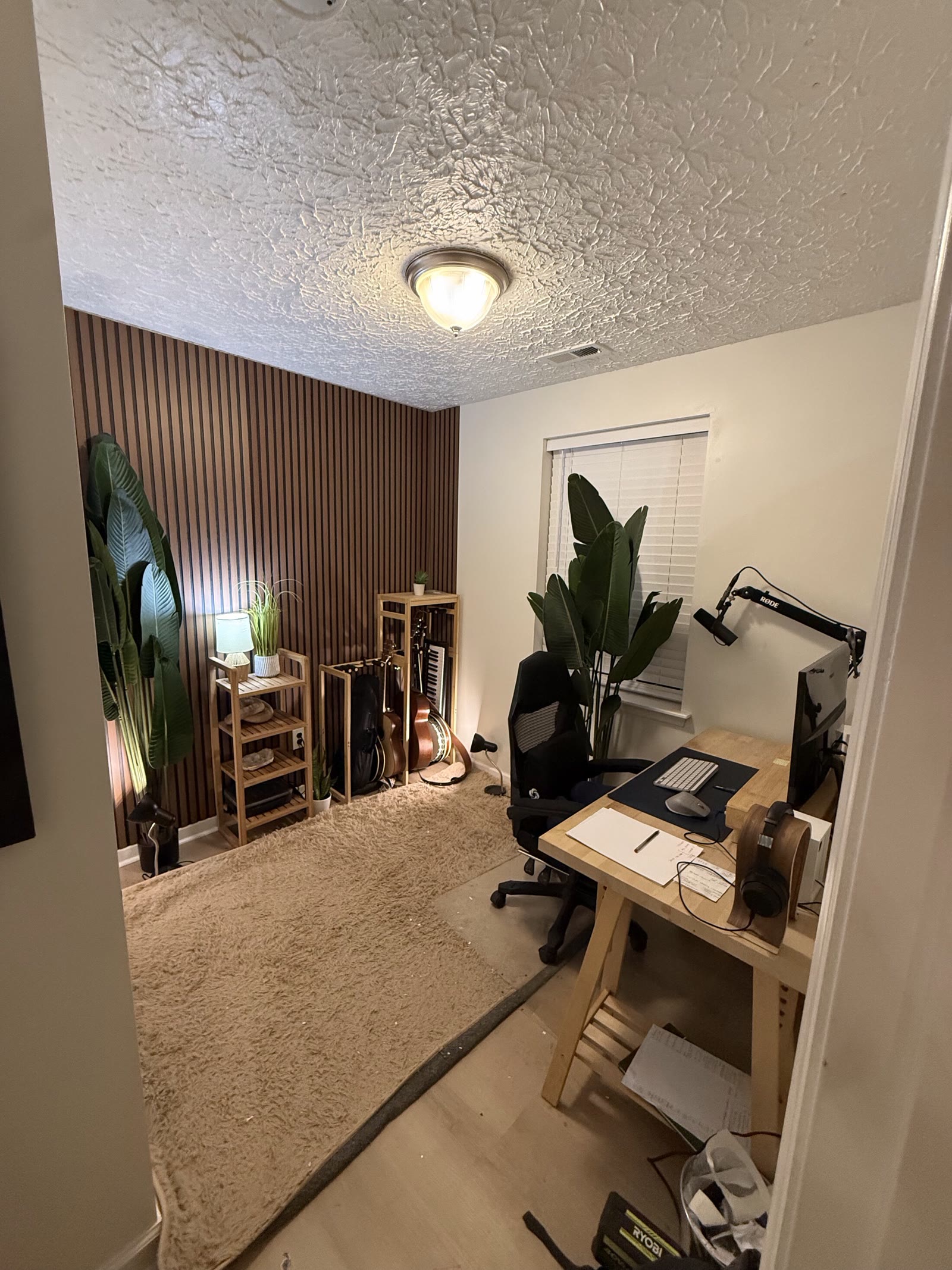
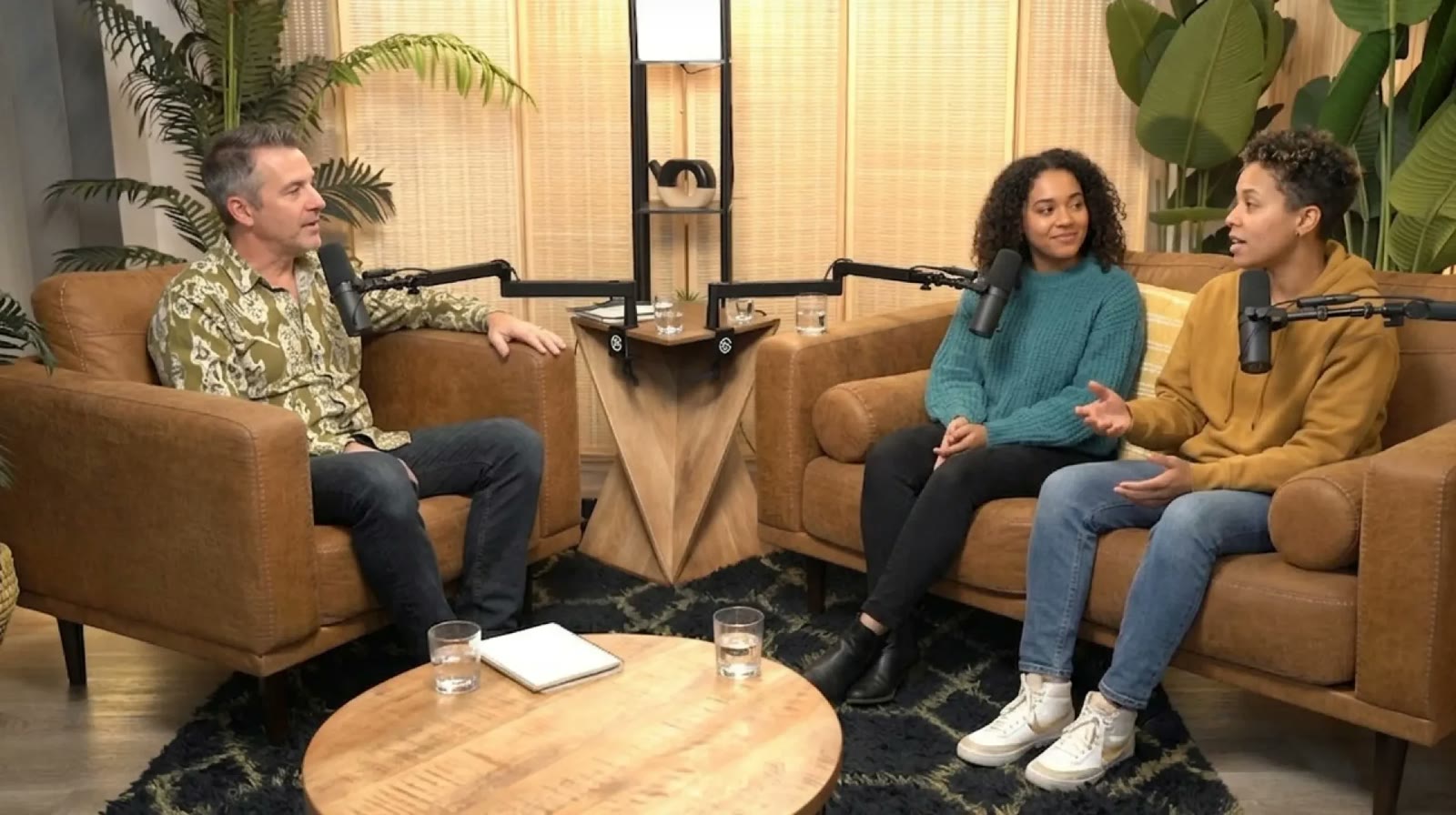
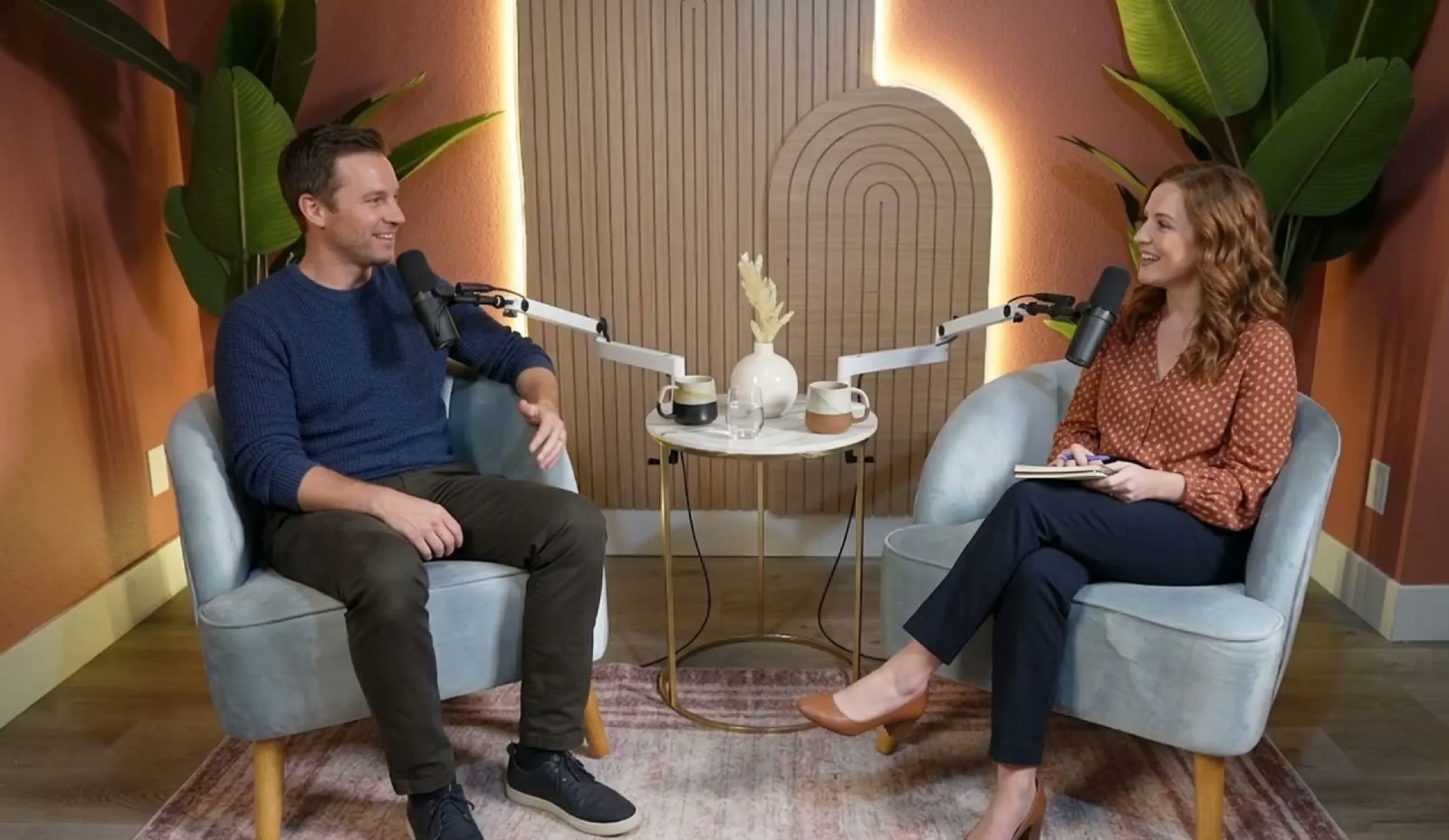
Original photography
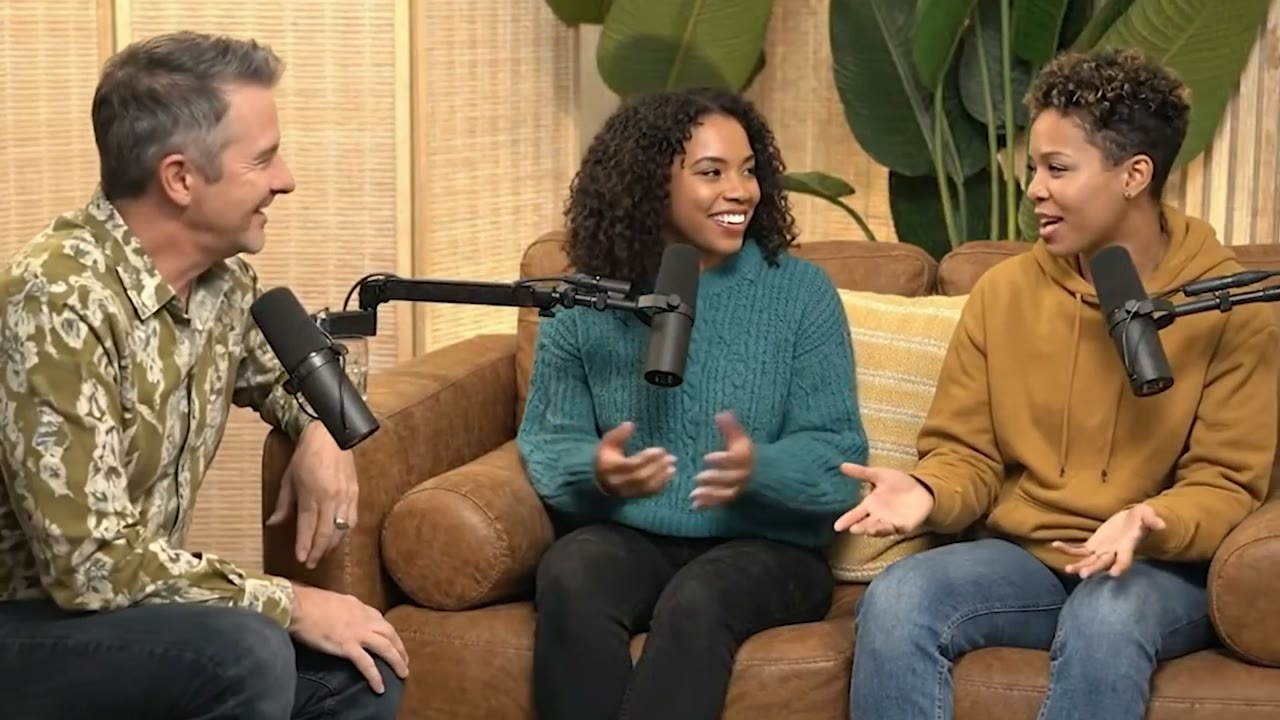
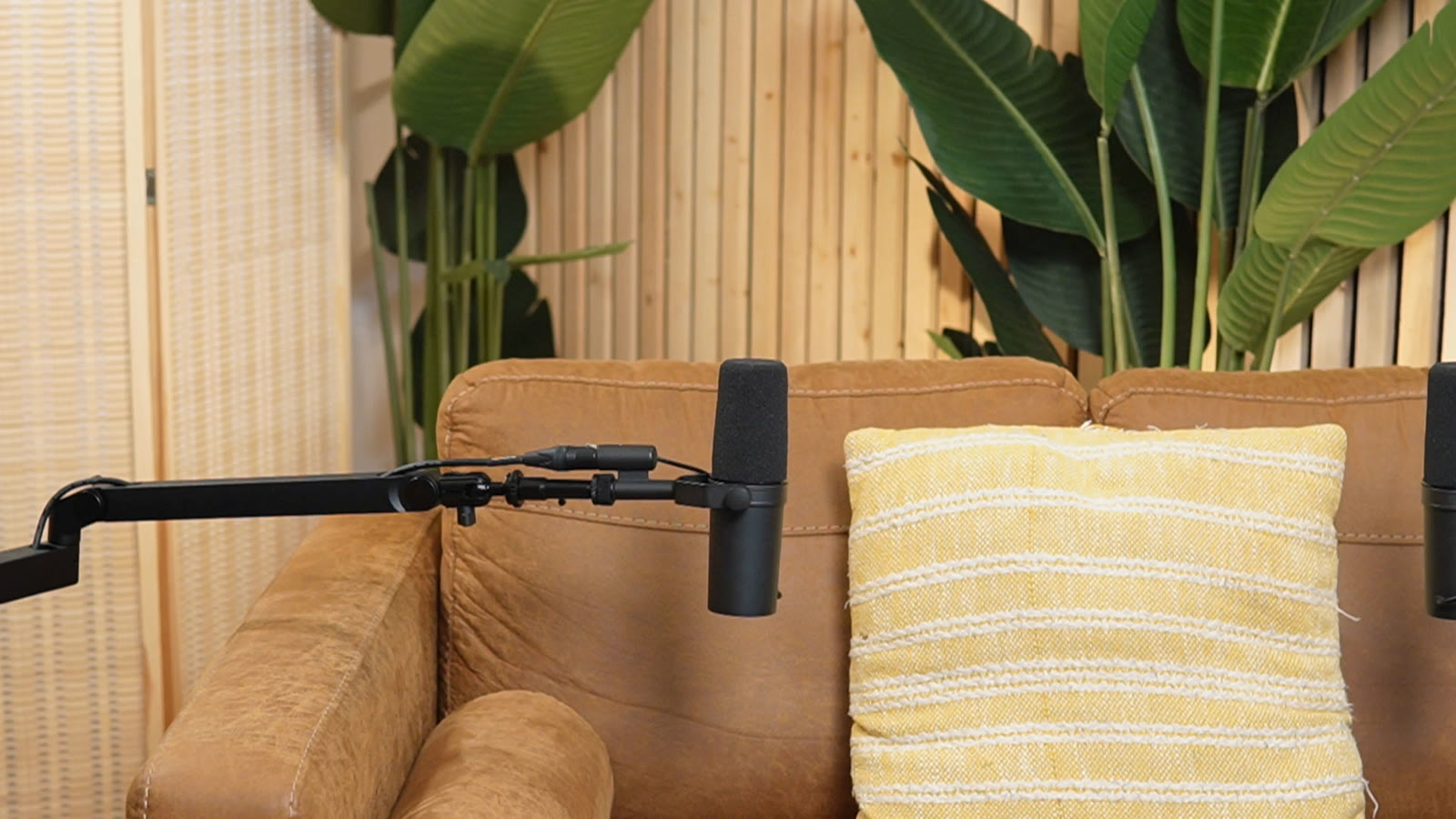
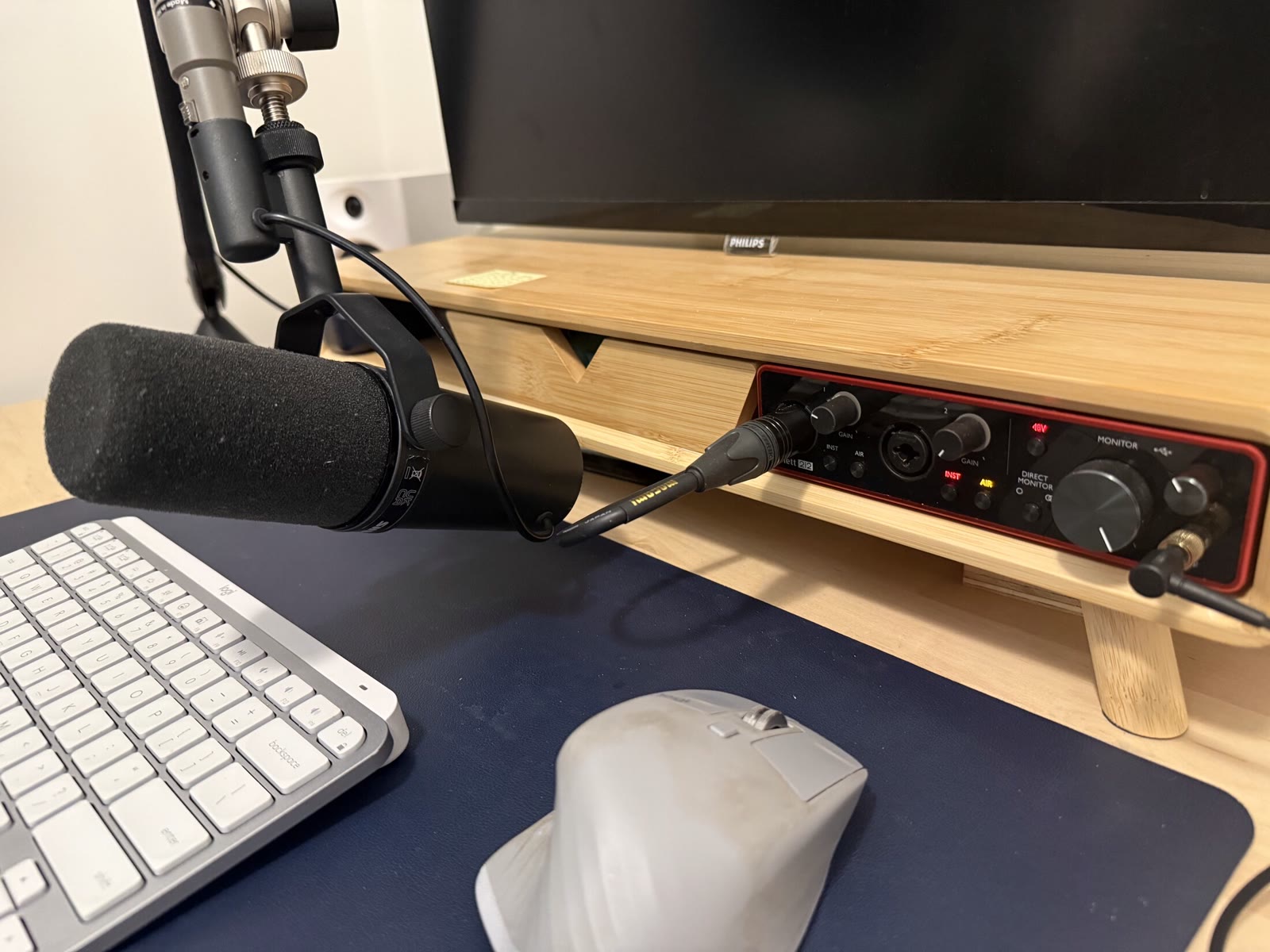
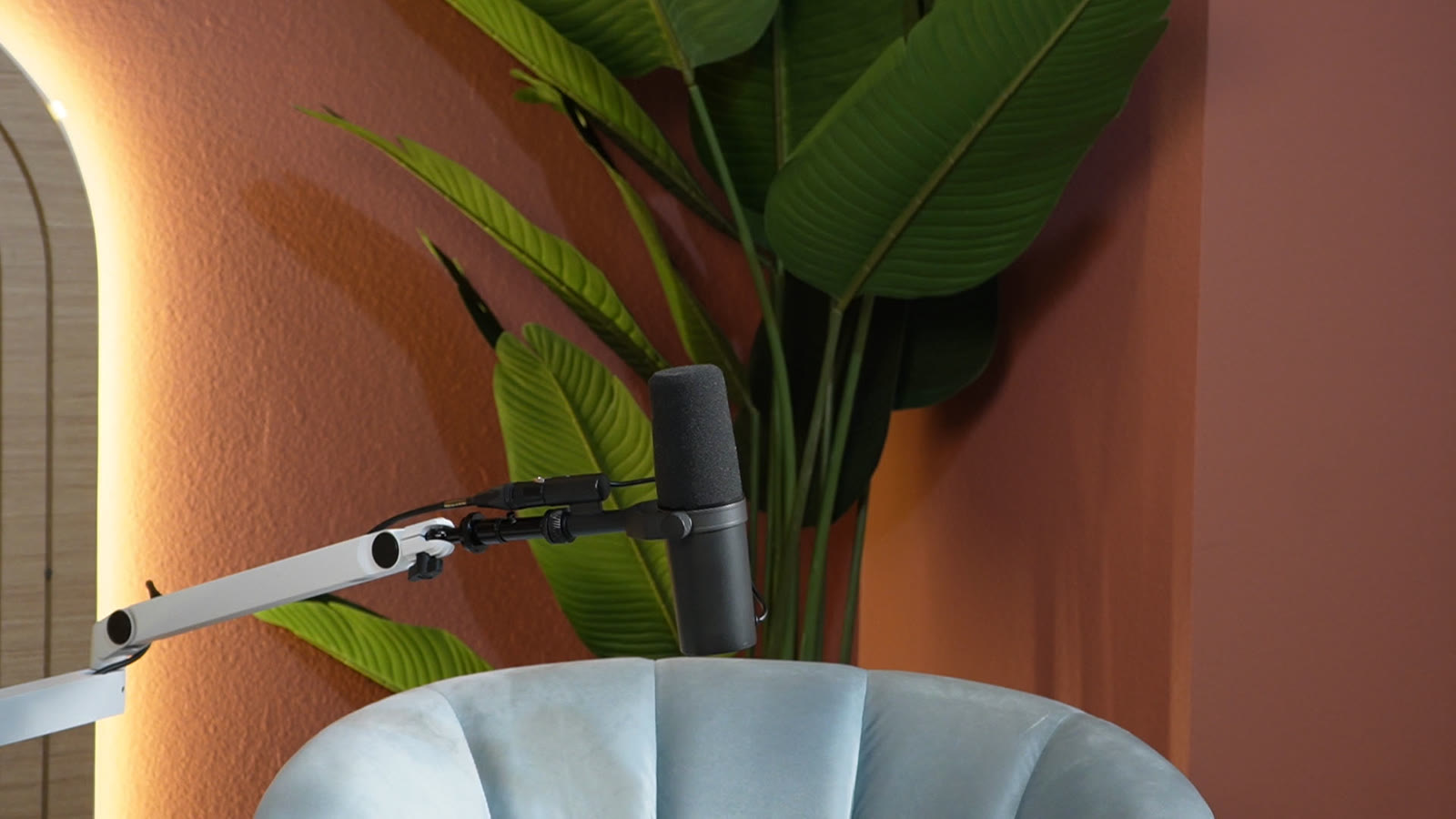
Real conversations, microphone positions, set details, and production views from Podcast Studio AZ and Jaeden’s own recordings.
Real source photographs and video frames. Editorial examples; dataset availability and permitted uses are reviewed separately.View sources & full gallery →
Dataset solutions
Sourcing option
Scope long-form conversational audio and transcript requirements.
Sourcing option
Specify speaker attribution, overlapping speech, and session grouping.
Sourcing option
Plan topic coverage for specialist conversational language.
Sourcing option
Review edition matching and audiovisual synchronization.
Sourcing option
Map source recordings, contributors, and derivative files.
Category context
Interviews, co-hosted discussion, and other dialogue formats. Specify speaker count, interaction style, duration, and whether overlap or spontaneous speech is important.
Identify languages, accents, subject areas, and the diversity you want across shows and speakers. Ask for counts that distinguish episodes, speakers, and unique recording sessions.
Discuss mixed episodes, independent participant tracks, and text alignment. Include requirements for intros, advertising, music, edits, and excluded participants.
Why the details matter
Podcast datasets can range from a finished episode to separate participant recordings with aligned text. These are materially different inputs for a speech pipeline. This Fiund sourcing site focuses on the formats, conversational coverage, and participant considerations that matter when evaluating podcast audio for AI.
Explore quality & provenance →Specification essentials
Technical scope
Published episode, original session, mixed master, or independent participant tracks.
Speaker count, recurring hosts, guest diversity, topics, languages, and recording conditions.
Advertising, music, licensed inserts, intros, synthetic voices, and excluded contributors.
Permission scope, contributor documentation, attribution requirements, and any onward-use restrictions.
Real recordings
Browse short, silent excerpts from real studio conversations and Jaeden’s original recording tracks. Discuss source audio, transcripts, and the intended use when scoping a dataset.
Recorded conversations at Podcast Studio AZ · 14 seconds · silent editorial clip.
Jaeden’s original Riverside recording · 15 seconds · silent editorial clip.
Jaeden’s original Riverside recording · 15 seconds · silent editorial clip.
Recorded voice
Real solo podcast speech from Jaeden’s July 2, 2025 recording. Editorial audio example; not a telephone call or an advertised training-data sample.
Today on the podcast, I wanted to do a big update on xAI, some things happening over at X, as I think this is a pretty significant amount of money that has just been put into the ecosystem.
How sourcing works
Podcast datasets can range from a finished episode to separate participant recordings with aligned text. These are materially different inputs for a speech pipeline. This Fiund sourcing site focuses on the formats, conversational coverage, and participant considerations that matter when evaluating podcast audio for AI.
Languages, topics, and conversation styles; Hours and preferred speaker diversity; Mixed audio or independent tracks; Transcript, diarization, and edit exclusions; Training use and participant-permission requirements. These details establish the project’s review criteria and reveal where further clarification is needed.
Discuss which existing sources or collection approaches could address the brief. Identify access constraints, source documentation, and unanswered permission questions before treating a category as usable inventory.
Where appropriate material can be shared, agree on handling and inspect it against the specification. Record defects, coverage gaps, and annotation questions against exact source identifiers.
Confirm the selected material, intended uses, preparation work, acceptance criteria, commercial terms, and delivery arrangements in a project-specific agreement.
Check file references, manifests, documented processing, and accepted exceptions. Keep permission review and technical acceptance explicit, and resolve open issues before the collection is treated as approved for the intended use.
Field notes
Resource guide
Choose the unit that fits your experiment before counting podcast hours.
Resource guide
Plan a track-level request without assuming every archive contains isolated microphones.
Resource guide
Distinguish original conversation, sponsorship reads, and dynamically inserted material.
Resource guide
Describe what each file and channel actually contains.

Resource guide
Measure unique conversation coverage as well as total duration.
Resource guide
Verbatim words, readable prose, and timed annotations serve different purposes.
Common questions
Public availability does not establish permission for a particular commercial training use. Ask which parties control the relevant material and what documentation supports the proposed license.
Yes. Include that requirement. A published mix cannot be assumed to have recoverable original speaker tracks; availability depends on the source recordings and the owner’s delivery options.
Include both where useful. An episode may be an excerpt, compilation, or alternate edit of a recording. Source session identifiers help distinguish unique conversations from multiple published versions.
Your project, in focus
Speak directly with Jaeden Schafer at Fiund about the source material, specifications, and review your project needs.
jaeden@fiund.comSource fit, permissions, samples, pricing, and delivery are reviewed for the individual project.
Start with these details